Meet “Storm” Our Newest Addition!!

I would like to introduce you to our newest addition to our family, this is “Vision Acres Storm” we call her “Stormie.”  She came to us from a farm in West Virginia.  She is 1 year old, and even though she looks different from our other Buhunds, she is indeed still a Norwegian Buhund!  Did you know they also come in black!  They do!  Black is a rarer color and we are thrilled we now have one!  Cherokee is happy she now has a friend to run and romp around with.  Thor and Freya are just too old to play “wolf wars” anymore.

Lineage~

Vision Acres Storm’s parents are: Sire~Cascilius Hugo Boss and Dam~Trollheimen’s Reba Rocks.

Storm 1

Prior to coming to live with us, Storm was just a farm dog who ran with her dog Mom outside in a kennel.  She has never had any training or learned any house manners (as luck would have it, she came crate trained at least).  I really thought we were going to have our work cut out for us with her.  Her first week here went really well!  I was shocked!  We never even heard her bark (a rarity for Buhunds!)  Her second week here, she started to show more of her true colors!  She had a couple of accidents in the house and even chewed a couple minor things!  She barks more now too (I knew the no barking thing was too good to be true!)

Storm 2

Today, “Storm is still learning the rules of the house and yard, but overall is doing quite well in her new home.  We still need to keep an eye on her while she’s outside.  I’m also continuing to teach her not to chase the chickens (she is a herding breed after all, but I trained Cherokee so I have hope) or chew up things that don’t belong to her.  Have I mentioned that Buhunds are extremely smart!  She hasn’t had any more accidents in the house and she seems to be getting more confident and less skiddish.  We hope with a little more effort, we can get her in the show ring and a lot less shy.

She has become a nice addition to our family, she just adores the kids (no surprise there, as Buhunds love children, they are wonderful family dogs), and we look forward to seeing her offspring! Storm 4

Storm 3

Storm 6

Storm 5

She’s so black that she’s hard to get a good picture of, she has the most beautiful dark eyes that blend right in with her color!  We believe she is perfect according to breed standards!

Raising Your Own Mealworm Farm

  • Mealworms are an excellent food source for all kinds of critters!  Here at Rose Shadow Ranch, we raise them to help feed our chickens, ducks and quail.  Starting your own mealworm farm is easy!
  • Here it is in a nutshell:
  • You’ll first want to purchase your mealworms.  They can be purchased at feed stores, pet stores, and bait stores.  We buy ours at a local pet store.  We started with 100 which cost us $3.
  • Place mealworms in a shallow plastic container (I recycle plastic lunch meat containers and these are perfect). Poke small holes in the top for ventilation.
  • Add 1-3″ of bedding/food: wheat bran, and/or oatmeal I have found work best!
  • mealworm 2For moisture, add a small wedge of an apple, a carrot or half a potato.  The mealworms will also drink from this.
  • Ideally keep at around 80°F (room temperature is fine too) and around 70% relative humidity.
  • Periodically (about every 1 to 2 weeks) sift out beetles from bedding whichwill contain the eggs/tiny worms. Once worms are big enough, sift the waste and bedding out once a month, dispose of in garden, wash and dry container, return worms and add new food.mealworm 3
  • Timetable and Life cycle:  Mealworms have an egg, larva, pupa and beetle stage. Depending on food and temperature, it takes about 100 or more days for them to complete their life cycle. Therefore, if you want worms in the spring, start your colony in November or December. For every 20 beetles, you should get about 300-350 adult mealworms in about 200 days.
  • Stage Time*
    Egg Incubation 4-20 days.
    Larva 10 weeks. Visible after about a week
    Pupa 6-20 days
    Beetle and Egg Laying 8-12 weeks (followed by death). Egg laying starts 4-20 days after emergence 
  • Eggs hatch into larva.
  • Larvae burrow below the surface of the grain and undergo a series of molts (10-20), shedding their exoskeleton.
  • The last molt occurs about 3 months after the egg stage. Newly molted worms are white, and the exoskeleton has not hardened.
  • The fully grown larvae (worms) are golden brown and 0.98-1.50 inches long.
  • The larvae come to the surface. They turn soft and plump, stop moving, curl into a “C” shape, and then transform into naked white pupae that turn yellowish brown after a day. The pupae don’t eat or move much.
  • Adult darkling beetleAfter 6 -20 days, the pupae turn into beetles. At first the beetle is white/light beige with a soft shell, and then it darkens and hardens to red, brown, and finally turns dark brown/black after about 2-8 days. The beetle is about a 1/2 to 3/4 of an inch long and slightly flat. Males and females are indistinguishable. They can not fly, but they can move very quickly.
  • Beetles lay their eggs 9-20 days after emergence. They lay for 2 to 3 months, and then die. Each female beetle lays about 250-275 tiny, bean-shaped white eggs – about 40 per day. The eggs are seldom seen because they are sticky and rapidly become coated in substrate.
  • Egg incubation takes 4-20 days.
  • The cycle begins again as the eggs hatch into tiny whitish larvae, which may not be easy to see for several weeks.
  • In 4-6 weeks they will be about 0.5″ long.

That’s it in a nutshell!

Making Homemade Laundry Soap

Making my own homemade laundry soap is something I’ve been wanting to start doing for a long time, and I FINALLY got around to doing it!  It’s very easy and not as time consuming as you might think!  The cost can’t be beat!  This is another fantastic way to help my family live a more self reliant/self sufficient lifestyle.

Here’s what you’ll need: (** Note: all ingredients can be found in the laundry aisle of any retail store such as Meijer)

~1 bar Fels Naptha soap

~1 cup Borax

~1 cup Washing Soda (not to be confused with baking soda)

~ Essential oil of choice (optional)

~5 gallon bucket with lid

~Water

soap 3

Step 1:  Grate bar of Fels Naptha soap, I use a hand held cheese grater.

Step 2:  Fill 5 gallon bucket half full with HOT water.

Step 3:  Add grated soap to saucepan and add 4 cups of HOT water.  Simmer over low heat stirring constantly until soap flakes are dissolved.

soap 2

Step 4:  Once Dissolved, add to 5 gallon bucket along with 1 cup Borax and 1 cup Washing Soda.  Fill bucket the rest of the way with more HOT water and stir until Borax and Washing Soda are dissolved.

Step 5:  Let set overnight (about 24 hours) it will gel up. *** if you choose to add an essential oil of choice, wait until mixture has cooled but not set, then add 10-15 drops per 2 gallons***

soap 1

Step 6:  After it has set, stir well (you will notice clumpiness, this is normal) and divide into clean, empty laundry bottles.  Upon using, shake bottle well and use 1/2 cup per load.  **NOTE this is very low sudsing soap, soap suds are not what cleans your laundry, so don’t be alarmed if you do not see any suds, I promise your laundry is getting cleaned.

Let me know what you think, I personally will NEVER buy commercial laundry soap again!


Our WINNER has been selected……

CONGRATULATIONS RENEE, you are our WINNER of the chicken potholders!  Please check for a reply to your entry comment under the original post here on the website for details on how to claim your prize.  If you have any trouble, email me at roseshadowranch@yahoo.com.  Thank you for supporting Rose Shadow Ranch!

GIVEAWAY!!!!!!

As promised, in celebration of reaching 400 likes on our facebook page, we are going to have a cute little GIVEAWAY where everyone who participates can benefit!

So here are the rules:

1. Leave us a comment under this post.  The comment can be as simple as “Hello” or more elaborate, that’s up to you.  **In your comment please be sure to leave us your first name, farm page name and an email address so we may contact you if you’re our lucky winner.**  Winner will be chosen at random on Saturday December 8th, 2012.

2.  Next: (Read carefully), In the spirit of the season of giving, On your facebook page, personal, farm or business, tag our page ROSE SHADOW RANCH and 2 others of your favorite pages.  If someone has already tagged you, you must return the favor and tag the one who tagged you and 2 other pages.  Refer your friends to our website www.roseshadowranch.com and tell them to tell us you sent them to double your chances of winning!  In playing along, my hope is that everyone who plays will have several new likes/friends by the time this GIVEAWAY ends.

**NOTE: I would like to see those who participate play the tag game everyday during the GIVEAWAY, but if you don’t that’s ok, just once is enough to qualify you for the GIVEAWAY 🙂

The Prize:

*An adorable set of chicken potholders*

a cute set of chicken potholders!

Good Luck Everyone, and Thank you again for your support!!

The Flock at Rose Shadow Ranch

I thought it was time to post some new pictures of our feathered friends here at the ranch.  I so enjoy the ladies and gents, they each have their own unique and crazy personality!  We have 13 hens, 2 Roosters, and 2 Ducks.

Treat time!

Lavender Ameraucana “Violet”

Cuckoo Maran hen “Ivy”

Pekin Male Duck “Donald”

Cuckoo Maran Rooster “Jingles”

Black Sex Link “Midnight”

Red Sex Link hen “Boo Boo Chicken”

Silkie hens “Willow and Flurry”

Sweet Baby Girl!!!

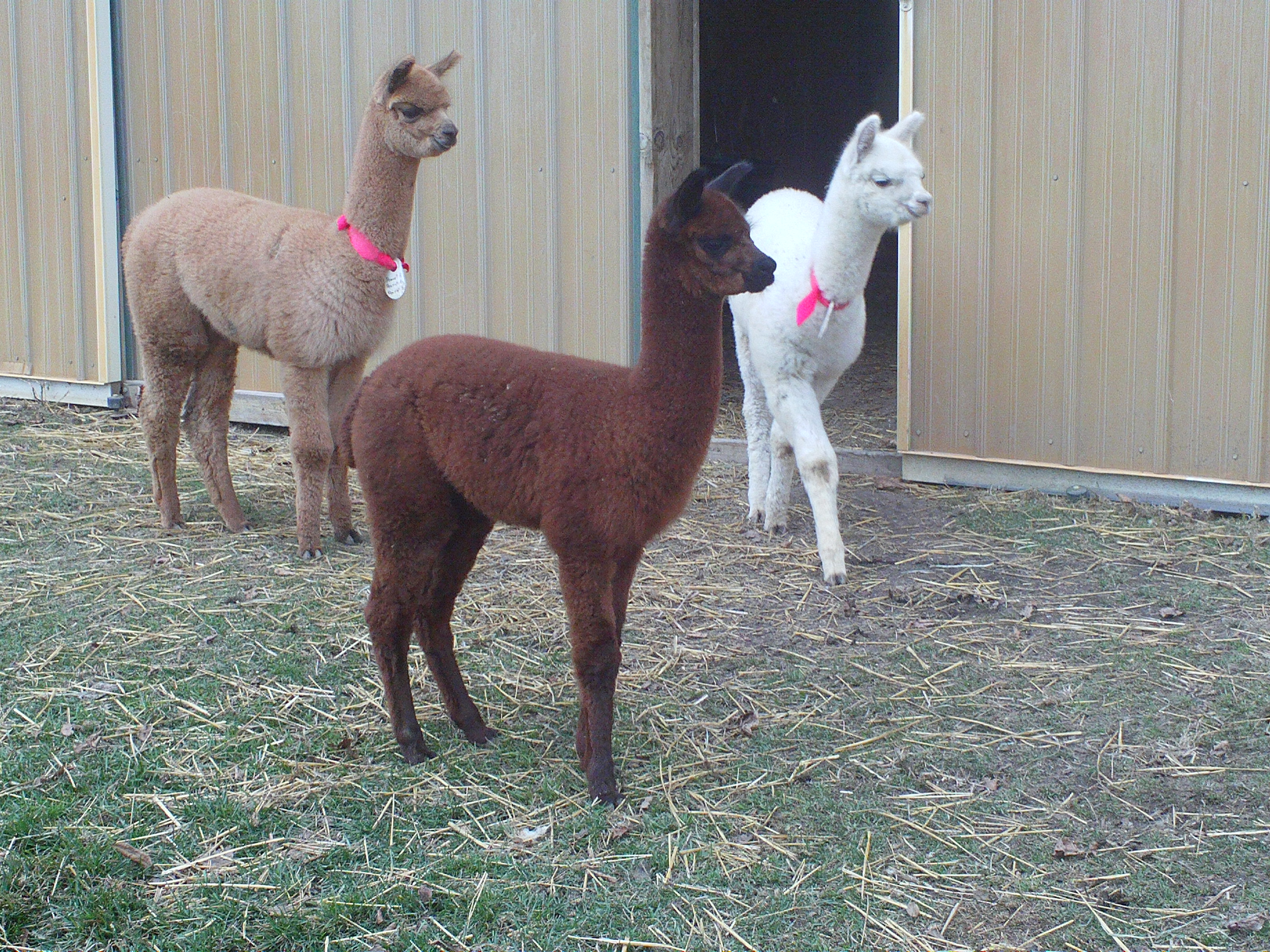
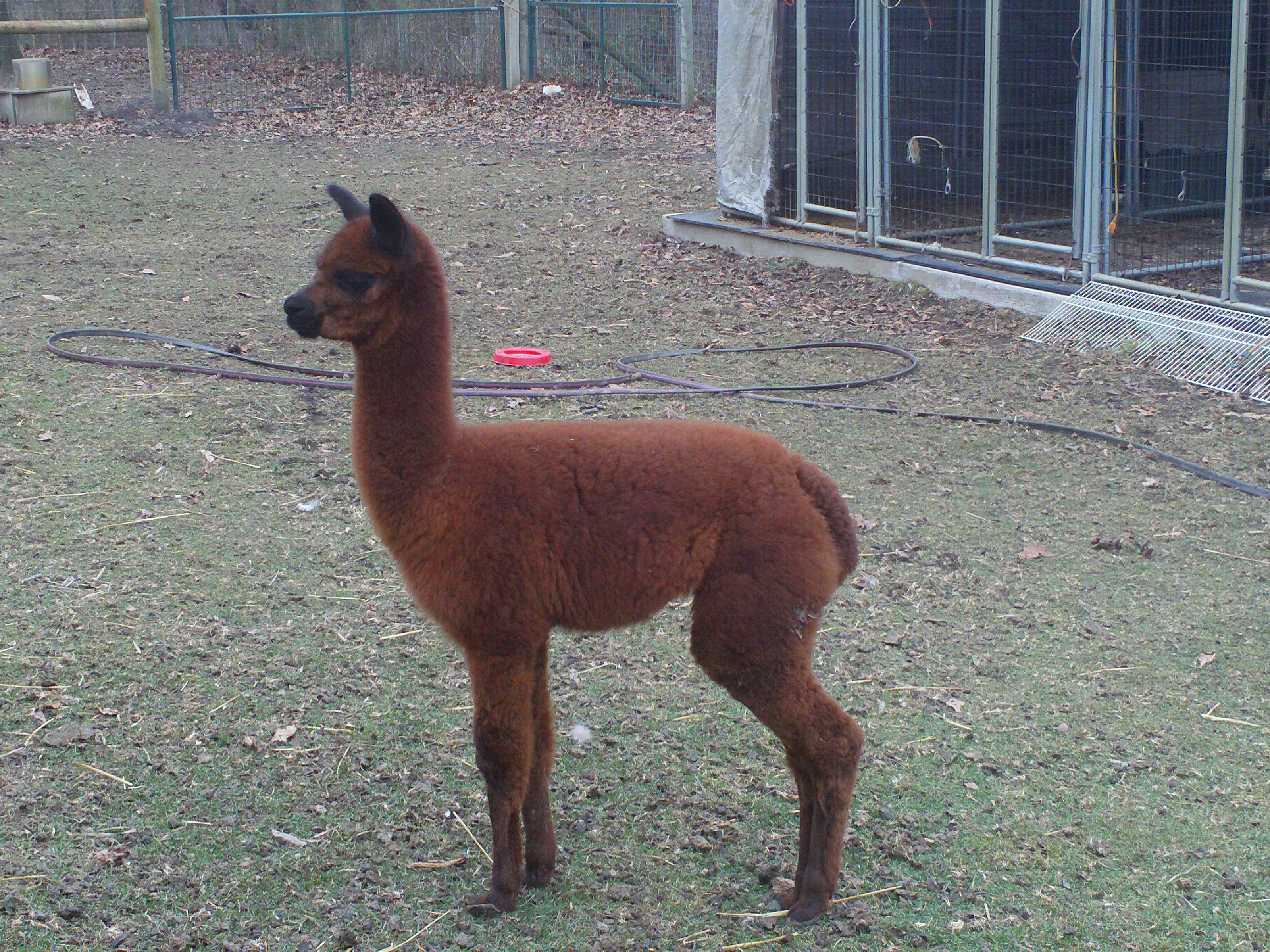
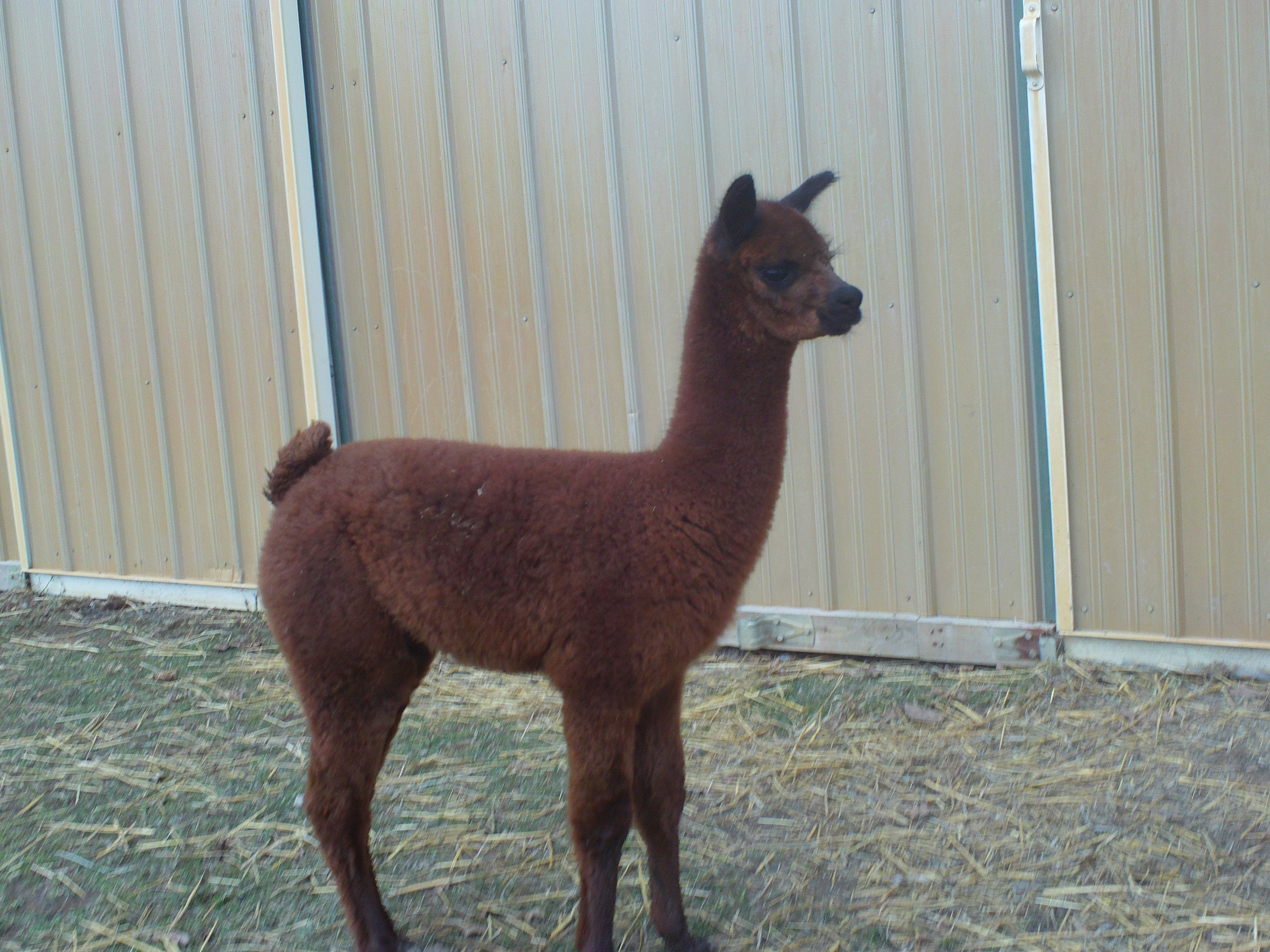
Back in September you might remember we had a chocolate brown alpaca baby born.  Now she is nearly 2 months old and getting big!  Here are some recent pictures of her.

That’s her in the front!

So Pretty!!

Pretty Girl

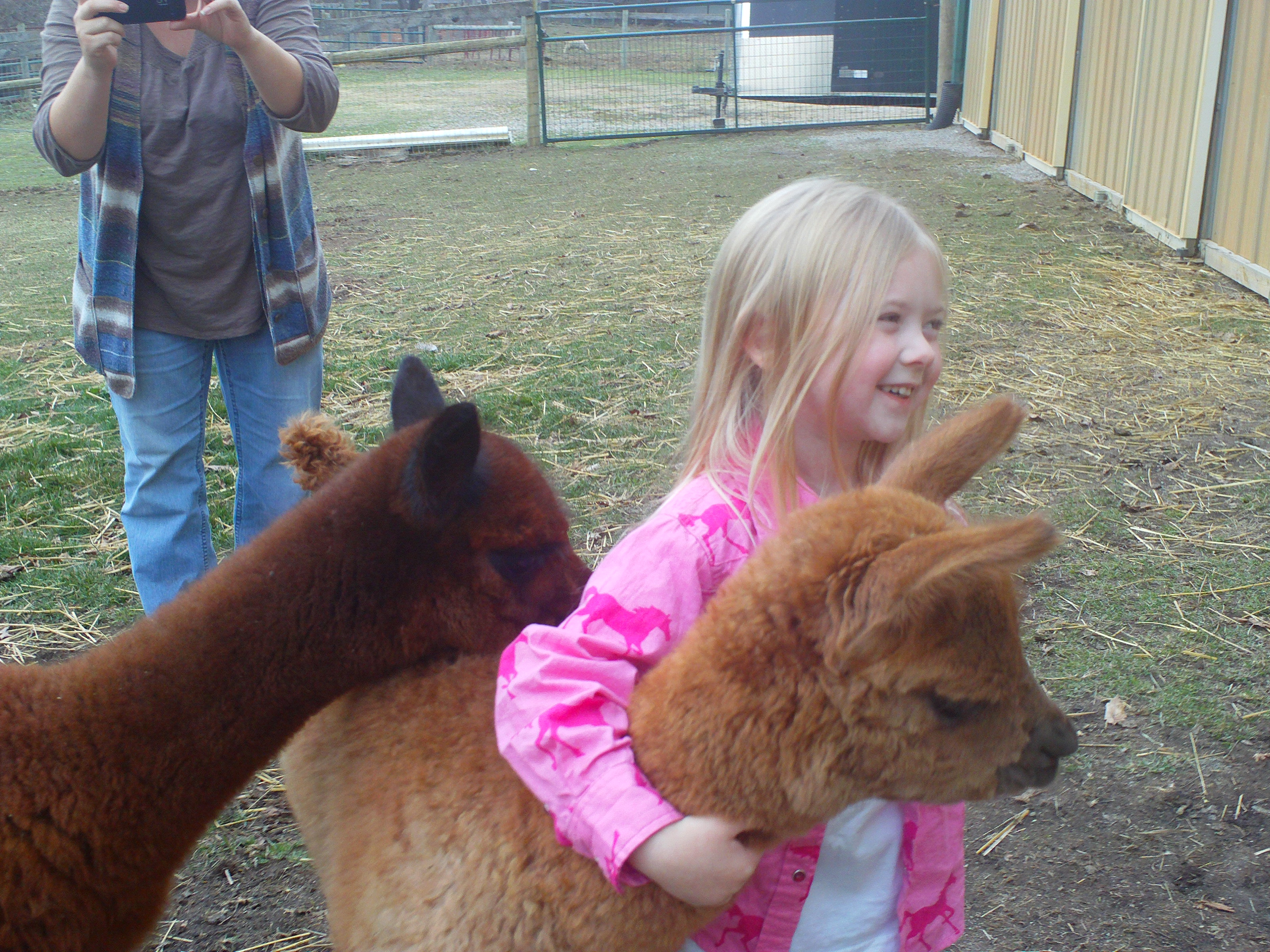
Our Daughter snuggling with the Paca Babies

Full Incubator, New Chicks in the Brooder and The Power Goes Out!

So, you have an incubator full of eggs and new chicks in the brooder that need heat and your power is now out and you don’t know when it will come back on!  Not to mention, you don’t own a generator either!  In the wake of Hurricane Sandy I know many of you are in this situation.  I’ve been there, not as a result of a hurricane but bad weather nonetheless and it’s a horrible sight to see chicks only days old “piling” because they are cold.  Or eggs in your incubator and you’re watching the temp drop by the minute.  There is something you can do!  It wasn’t that long ago, I was frantically running around trying to figure out how to keep 2 brooders warm and my incubator warm too!  Here’s what I did:

1.  Fill mason jars with boiling water and wrap them with aluminum foil (the foil helps hold in the heat), then a thin dish towel (the dish towel protects your chicks from getting burned) and place them in brooders and the incubator(s).  I am fortunate to have a gas stove, so cooking is not an issue with a power outage.  Maybe you have an electric stove, if so, fire up your grill or build a fire in your fire pit, somehow figure out a way that works for you to get boiling water.  If there is no way, then simply use the hottest water you can get out of your tap.  The temps drop quickly so you must move fast and the hotter the water, the faster you’ll get your temps up again.  You will have to continuously monitor your temps so they don’t get too hot and they will fluctuate a lot using this method, but in an emergency, it works.

2.  If you’re not too far out in the boonies, hopefully there is a store nearby such as a Wal-Mart or Meijer or hardware store.  For about $30-40 you can purchase an electrical car adapter (pictured below).  We own 2 of these little lifesavers (during the black out of 2003 we sat and watched tv when there was no power anywhere).  This wonderful little gadget allows you to run small appliances off your car battery! You will need to leave your car running most of the time while doing this but when it comes to an emergency, you won’t care!  I was able to run lights for both my brooders and my incubator off my car battery until the power came back on!  All my chicks and my eggs were saved and our power came back on 16 hours later.

car power adapter

Our thoughts and prayers go out to all of you who have been affected by Hurricane Sandy.  Be well and stay safe our friends.


Apple Cider Vinegar (ACV)

What’s so great about ACV?


  Health Tips for Dogs

Apple cider vinegar is filled with minerals and essential vitamins, including potassium, iron, and magnesium, it is also an antibacterial!

For Humans:

For us humans, ACV has many health benefits.  It has been reported to help with asthma, psoriasis, exzema, allergies, dermatitis, digestion, acid reflux/heartburn……the list goes on and on.  For me personally, I have noticed a big improvement with my scalp psoriasis when I “shampoo” with ACV.

Look for apple cider vinegar that is in a fermented and unfiltered form with “the mother” which contains the most enzymes and minerals.  I suggest Bragg’s Apple Cider Vinegar, it has been the best for us.

For humans: Mix 1-2 teaspoons of apple cider vinegar in a glass of water. Take 3 times daily, before or during meals.  If you still can’t stand the taste, try adding it to your favorite juice or tea or add some honey.

ACV, is not only good for human consumption.  It is also good for your canine friends!  Here’s some of the health benefits your 4 legged friends can benefit from when given ACV.

For Dogs:

                       * It can help prevent skin problems from allergies, such as rashes, itching, and irritation.

* It can help fight against tooth decay and ward off bad breath.

* It can even help eliminate those tear stains by your dog’s eyes.

* ACV aids in dog’s digestion. It helps balance PH levels resulting in them having a better apetite, and helps get rid of nasty constipation and diarrhea problems.

* It’s also been reported to help with flea infestations.  Simply apply evenly on your dog’s coat after shampooing, let sit for a couple minutes, then rinse.

* Clean your dogs ears with a cotton ball soaked in Apple Cider Vinegar, it will deodorize the ear and clean with the anti-bacterial reactants in the ACV.  It’s also reported that this can help with pesky ear mites.
The best way to give apple cider vinegar to dogs is in well diluted water.

A TEASPOON of it diluted into water 2 to 3 times a week for small dogs is the perfect amount or a TABLESPOON given the same way for any dogs over 50 lbs.  DO NOT use in metal dishes, it is too acidic and can cause corrosion.

For chickens and other poultry:

ACV is also beneficial when given to your feathered friends.

Like dogs, just add to their waterers a few times a week.  I recommend 1 TABLESPOON per gallon of fresh clean water.  DO NOT use in metal waterers, the acid can cause corrosion.

There are many health benefits when given ACV regularly, they include:

* Aids is digestion

* Helps manage stress, especially beneficial during their molt, and summer heat.

* Has been reported to eliminate and prevent against internal and external parasites.

It is also excellent when used for cleaning the coops and roosts since it has antibacterial organisms in it.

There is so much information on various websites about Apple Cider Vinegar and all it’s health benefits.  Search, experiment and you too will see what a wonderful product it is!